
How to Eliminate Wasted Space in Your Custom Closet
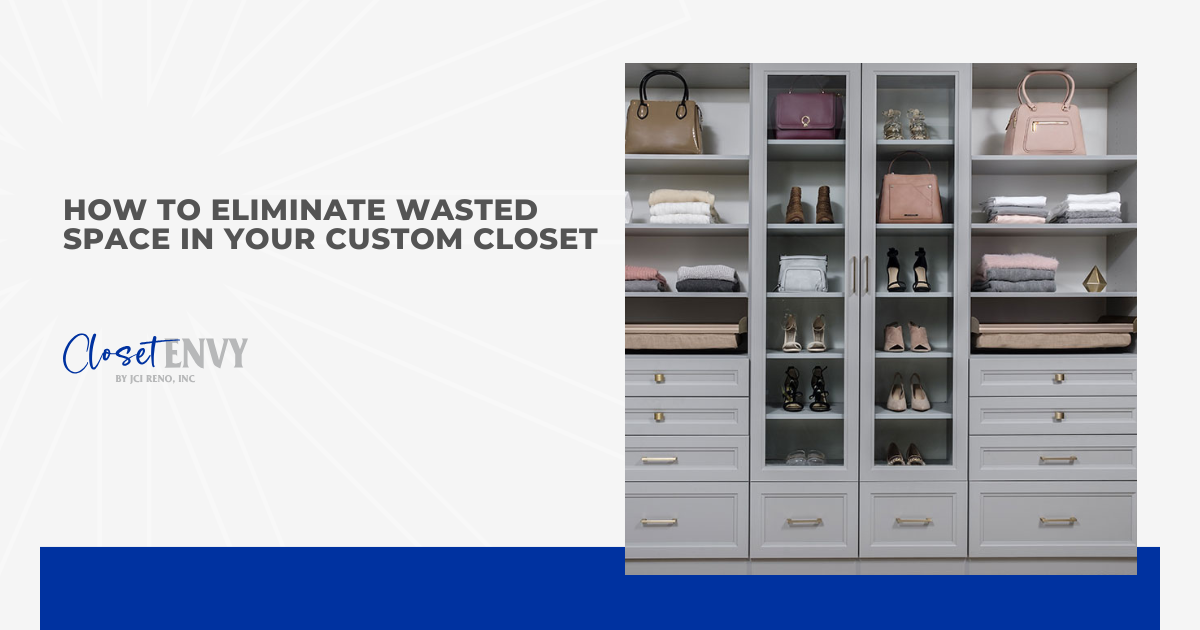
A custom closet is one of the most effective ways to eliminate wasted space in your home, yet it’s surprising how often that potential goes unused. I’ve seen many closets that technically have enough room but still feel cluttered or inefficient. In most cases, the issue isn’t lack of space, but how that space is planned. Wasted space quietly adds frustration to your daily routines without you always realizing why.
The difference between a cluttered closet and a functional one usually comes down to intentional design. A well-planned custom closet supports how you actually live instead of forcing you to adapt to a generic layout. When every section has a purpose, the space becomes easier to use and easier to maintain. Eliminating wasted space is really about making the closet work smarter.
Below are the most effective ways to eliminate wasted space in a custom closet:
- Design storage around what you actually own
- Use vertical space from floor to ceiling
- Customize hanging heights for different clothing types
- Replace deep shelves with functional storage solutions
- Maximize corner and narrow areas
- Incorporate doors and accessories that save space
- Improve visibility with proper lighting
- Add adjustable components for long-term efficiency
If your closet feels cramped or inefficient, these tips can help identify where space is being lost. Each one addresses a common design issue and offers a practical way to correct it.
Design Storage Around What You Actually Own
One of the biggest causes of wasted space in a custom closet is designing storage without first understanding what needs to be stored. It’s common to end up with too much hanging space and not enough drawers, or the opposite. When storage doesn’t align with real wardrobe habits, certain areas end up underused. Over time, this creates clutter and frustration.
A custom closet should reflect how you actually use your clothing and accessories. Taking inventory of what you own helps determine how much space should be dedicated to hanging, folding, shoes, and accessories. When storage is matched to real needs, the closet functions more efficiently from day one.
From my perspective, this step sets the tone for the entire design. If you skip this part, the closet may look nice but won’t function as well as it should. Spending time upfront understanding your wardrobe usually results in fewer adjustments later and a space that feels intuitive to use.
Use Vertical Space From Floor to Ceiling
Many closets waste vertical space simply because it’s left unplanned. In many closets, there are gaps above shelves or unused space near the floor that could be doing real work. In a custom closet, vertical space should always be treated as valuable storage. Ignoring it often leads to overcrowding elsewhere.
Floor-to-ceiling shelving and cabinetry make better use of the available height. Upper shelves are ideal for seasonal items or belongings that aren’t used daily, while lower drawers and cabinets prevent wasted floor space. This approach also helps keep items organized by frequency of use.
In practice, vertical storage often makes a closet feel larger, not smaller. When everything has a defined zone, the space feels calmer and easier to navigate. It’s one of the simplest ways to gain storage without increasing the footprint.
Customize Hanging Heights for Different Clothing Types
Standard hanging rods are a common source of wasted space. Shirts may hang over empty air, while long garments sometimes take up more room than necessary. When hanging heights aren’t customized, valuable space goes unused. This is especially noticeable in smaller closets.
Customizing rod heights allows each section to work more efficiently. Double-hang rods are ideal for shorter garments, while single-hang areas accommodate dresses and coats. Tailoring these heights increases capacity without making the closet feel crowded.
This adjustment tends to have an immediate impact. You may be surprised by how much additional space becomes available once hanging zones are optimized. It’s a detail that’s easy to overlook but very effective.
Replace Deep Shelves With Functional Storage Solutions
Deep shelves often become wasted space because items get pushed to the back and forgotten. I’ve found that if something isn’t easy to see or reach, it rarely gets used. Over time, these shelves turn into clutter zones rather than functional storage. Accessibility is just as important as capacity.
Functional storage solutions help solve this issue. Pull-out drawers, baskets, and slide-out shelves allow you to use the full depth of the closet without losing visibility. Everything stays accessible, which helps maintain organization.
This type of storage also supports better daily habits. When items are easy to retrieve and put away, you’re more likely to keep the closet tidy. That alone prevents space from being wasted over time.
Maximize Corner and Narrow Areas
Corners and narrow sections are often the most underutilized parts of a closet. It’s easy for these areas to be left empty because they can feel awkward to design. Unfortunately, that leads to lost storage potential. In a custom closet, no area should be overlooked.
Corner shelving, wraparound rods, and vertical cubbies can transform these spaces into functional storage. Even narrow sections can be used for shoes, accessories, or folded items. With thoughtful planning, these areas can work just as efficiently as larger zones.
Making use of these spaces often improves the overall flow of the closet. Instead of dead zones, every area contributes to storage. This creates a more cohesive and intentional design.
Incorporate Doors and Accessories That Save Space
Closet doors and accessories can either enhance or restrict usable space. Traditional swing doors often block access and limit layout options. Door choice plays a bigger role in how functional your closet feels than you might expect.
Sliding or pocket doors keep pathways clear and allow better access to storage. Fold-away accessories like valet rods, mirrors, and hooks add functionality without creating obstacles. These features help preserve space rather than consume it.
Small decisions like these often have a big impact. When accessories are designed to disappear when not in use, the closet stays open and efficient. It’s a subtle way to reduce wasted space.
Improve Visibility With Proper Lighting
Poor lighting causes usable space to go unnoticed. I’ve seen closets where entire sections are ignored simply because they’re too dark. When items can’t be seen easily, they tend to be forgotten. This can lead to wasted storage before you even realize it’s happening.
Proper lighting improves both function and organization. Integrated lighting inside shelving and hanging areas makes every section visible. It encourages better use of the entire closet.
Lighting doesn’t need to be elaborate to be effective. Even simple solutions can dramatically improve how the space is used. Visibility plays a key role in preventing wasted space.
Add Adjustable Components for Long-Term Efficiency
Closets are rarely static over time. As wardrobes change, fixed layouts can become inefficient. This is one of the most common reasons closets start to feel cramped again after a few years. Lack of flexibility often leads to wasted space.
Adjustable shelves and rods allow the closet to evolve with changing needs. They make it easier to reconfigure storage without major modifications. This adaptability helps the closet remain functional long-term.
From my experience, adjustable components are one of the best ways to future-proof a custom closet. They provide peace of mind and extend the life of the design. Flexibility today helps prevent wasted space tomorrow.
Conclusion
Eliminating wasted space in a custom closet starts with thoughtful planning and intentional choices. When your storage reflects real habits and stays flexible, the space becomes easier to use and maintain. It’s often the small design decisions that create the biggest impact. With the right approach, you can create a custom closet that supports your daily routine in a way that feels natural, organized, and stress-free.

Closet Envy is a family-owned and operated business committed to delivering quality products and workmanship to our customers.
QUICK LINKS
CONTACT INFO
Closet Envy
3579 E Hwy 50 Suite 307,
Carson City, NV 89701
Phone
SCHEDULE A CONSULTATION
Contact us, and we will come out and discuss your project free of charge.