
Practical Tips to Extend the Life of Your Garage Cabinets
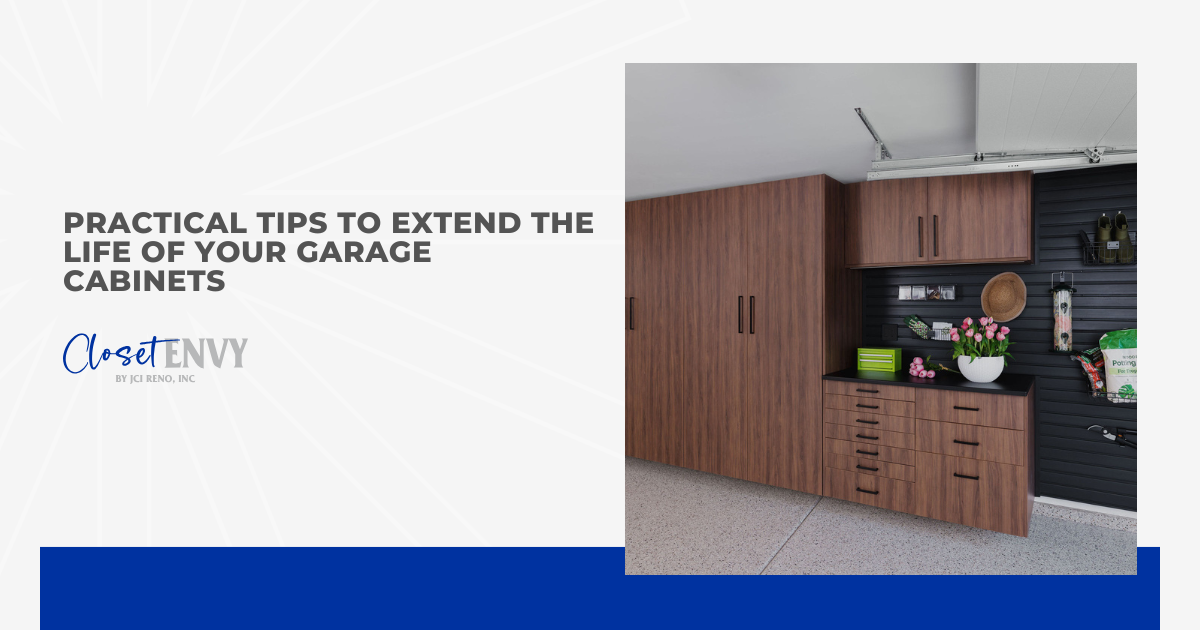
Garage cabinets can make a huge difference in how functional and manageable your space feels. When your garage cabinets are in good condition, they’re easier to use, easier to clean, and better able to handle everyday storage needs. Well-maintained cabinets can also make the space feel more orderly and easier to navigate.
Your garage deals with moisture, dust, heavy loads, and other conditions that can shorten the life of your cabinets. I see this get overlooked a lot because cabinet damage usually builds gradually rather than all at once. A lot of that wear can be reduced with consistent upkeep and a few smart storage habits.
If you want your garage cabinets to last longer, these are the areas I’d pay the closest attention to:
- Clean garage cabinets regularly
- Protect cabinets from moisture and humidity
- Avoid overloading shelves and drawers
- Store chemicals and hazardous products carefully
- Inspect hinges, slides, and hardware
- Fix minor damage before it spreads
- Protect surfaces from scratches and impact
- Organize contents to reduce daily wear
These tips are simple, but they can make a noticeable difference in how your cabinets hold up. Keep reading, and you’ll have a clear plan for protecting your storage without making maintenance feel like a big project.
Clean Garage Cabinets Regularly
Regular cleaning helps your cabinets look better, but it also helps protect the surfaces and hardware. Dust, grease, and garage residue can build up faster than you might expect, especially on doors, shelves, and around handles. When that buildup sits too long, it can wear down finishes and make cabinets harder to maintain.
A simple routine is usually all you need. A soft cloth, mild soap, and warm water will work for most cabinet surfaces without being too harsh. I’d avoid abrasive scrubbers or strong cleaners unless the manufacturer specifically recommends them. Wiping up spills quickly also matters because leaked products and dirty tools can stain shelves and damage finishes if they sit too long.
It also helps to focus on the areas that collect the most grime. Handles, lower cabinet fronts, shelf edges, and corners usually need more attention than the larger open surfaces. These spots tend to collect dust and residue more quickly because they’re touched often or sit closer to the floor. Keeping them clean on a regular basis can prevent buildup that becomes harder to remove later.
Protect Cabinets From Moisture and Humidity
Moisture is one of the biggest threats to garage cabinets, especially in a space that isn’t always climate-controlled. Damp conditions can lead to swelling, warping, rust, mildew, and musty odors that settle into enclosed storage. Even sturdy cabinet materials can wear down faster when moisture becomes a regular issue.
It helps to pay attention to where that moisture is coming from. Water can creep in under the garage door, collect near the walls, or linger on the floor after rain or cleaning. Wet towels, damp tools, or recently used gear can also trap unwanted moisture inside cabinets. Small sources of moisture like these are easy to miss until damage starts to show.
Better airflow can make a noticeable difference. If your garage tends to stay humid, improving ventilation or using a fan can help keep cabinet surfaces drier. Address leaks early and keep cabinets away from ongoing dampness to help protect their condition. A few simple changes can make the space less harsh on your storage.
Avoid Overloading Shelves and Drawers
Garage cabinets are built to handle a lot, but every shelf and drawer still has its limits. When too much weight ends up in one place, shelves can start to sag and drawer slides can wear out faster. Extra strain can also affect mounting points and make the whole cabinet feel less stable. Small warning signs often show up before major damage does.
It helps to spread heavy items out instead of stacking them all into one cabinet or drawer. Lower shelves are usually a better place for bulky tools, packed bins, and dense supplies because they put less stress on the cabinet structure. Giving heavier items a more stable spot can also make them easier to access. A more balanced setup helps the cabinet work the way it was meant to.
Pay attention to signs that the load may be too much. A shelf that bows in the middle or a drawer that starts sticking may be telling you it’s time to rearrange what’s inside. Making small adjustments early can help you avoid damage to the shelves, hardware, and cabinet frame. This is one of the simplest ways to help your storage last longer.
Store Chemicals and Hazardous Products Carefully
Many garages end up storing paint, cleaners, automotive fluids, and other products that can be rough on cabinet interiors. Even a small leak can stain shelves, damage finishes, or leave behind residue that is hard to clean up later. Some products can also affect hardware if drips or fumes are left unchecked in an enclosed space. A little extra care with storage can help prevent that kind of wear.
Using trays or secondary containers is one of the easiest ways to limit the mess if something leaks. Sealed bottles and properly closed lids also help reduce the chance of drips, spills, and lingering odors inside the cabinet. This step is simple, but it can save you from bigger cleanup issues later. It also helps keep the cabinet interior in better condition.
It’s also worth being selective about what belongs inside your cabinets in the first place. Some products need special storage conditions, and others are better kept away from enclosed cabinet spaces altogether. My rule is to check the label before storing anything that could leak, corrode, or create fumes. A more careful approach can protect both your cabinets and the rest of your garage setup.
Inspect Hinges, Slides, and Hardware
Cabinet hardware handles a lot of daily wear, especially in a garage where doors and drawers are used often. Hinges can loosen, handles can shift, drawer slides can collect debris, and mounting points can start to move. These problems may seem minor at first, but they can create more wear if they’re left alone. A quick check now and then can help catch issues before they get worse.
It helps to open and close each door or drawer slowly and pay attention to how it moves. Scraping, sticking, sagging, or uneven movement can all point to hardware that needs attention. Loose screws and small alignment issues are usually easier to deal with early. Catching those signs sooner can help prevent extra strain on the cabinet itself.
Rust and grime are also worth watching for, especially in a garage that deals with dust or moisture. Dirty tracks and worn hardware can make cabinets harder to use and put more pressure on moving parts. Cleaning and tightening hardware as needed can help everything work more smoothly. When the hardware stays in good shape, the cabinets usually do too.
Fix Minor Damage Before It Spreads
Small cabinet issues are easier to deal with when you catch them early. A chipped corner, a scratched finish, a rust spot, or a loose panel may not seem urgent at first, but those problems can get worse with regular use. Once the surface is exposed or the structure starts shifting, the damage can spread more easily. Taking care of minor wear early can help you avoid a bigger repair later.
It helps to look closely at the condition of your cabinets during routine cleaning or organizing. Surface damage, peeling edges, loose trim, and small alignment issues are often easier to notice when the cabinets are empty or wiped down. A quick touch-up or small adjustment may be all that’s needed to keep the problem from getting worse. Small fixes are usually much more manageable than larger repairs.
One thing I’ve seen in my work is how easy it is for small cabinet damage to get ignored until it becomes harder to fix. Waiting too long can turn a cosmetic problem into one that affects how the cabinet looks, feels, or functions. A little attention at the right time can protect both the finish and the structure. It’s one of the easiest ways to help your cabinets stay in better shape.
Protect Surfaces From Scratches and Impact
Garage cabinets have to stand up to a lot of everyday contact. Tools, storage bins, ladders, and sports gear can all leave marks on doors, side panels, and shelves. Even minor scratches can wear down the finish and make cabinets look older sooner. Repeated bumps and scuffs can also make surfaces harder to keep clean.
A little protection can go a long way. Shelf liners can help reduce scratches inside the cabinets, especially in spots where heavy or rough items are stored. It also helps to leave enough space around cabinet doors so nearby equipment doesn’t knock into them. Small adjustments like these can reduce wear without adding much effort.
Daily handling matters too. Sliding heavy items across shelves or forcing crowded supplies into place can create unnecessary surface damage. Giving stored items a bit more room can help prevent that kind of friction. When cabinet surfaces are treated with a little more care, they tend to hold up better.
Organize Contents to Reduce Daily Wear
Good organization does more than make your garage look neater. It also helps reduce the daily strain that cabinets go through when shelves are overcrowded and drawers are packed too tightly. When stored items are hard to reach, you’re more likely to tug, shift, and slam things around just to get what you need. All of that extra friction can wear down both the cabinet and its hardware.
A better setup makes everyday use feel easier and more efficient. Grouping items by type, size, or frequency of use can help you find things quickly without disrupting everything around them. Frequently used items should be easy to access, while less-used supplies can go in spots that don’t need to be opened as often. A little structure can make the cabinets easier on you and easier on themselves.
It also helps to clear out what no longer needs to be there. Broken tools, empty containers, dried-up products, and leftover clutter can take up space and add unnecessary weight. Removing those items gives the cabinet more breathing room and makes problems easier to spot. A cabinet that’s easier to use is usually easier to maintain too.
Conclusion
Your garage cabinets will hold up better when they’re treated with a little consistent care. Simple habits can help prevent unnecessary wear and keep your storage working the way it should. What I like about this kind of upkeep is that it’s practical and easy to keep up with. When your cabinets stay in good shape, your garage feels easier to use every day.

Closet Envy is a family-owned and operated business committed to delivering quality products and workmanship to our customers.
QUICK LINKS
CONTACT INFO
Closet Envy
3579 E Hwy 50 Suite 307,
Carson City, NV 89701
Phone
SCHEDULE A CONSULTATION
Contact us, and we will come out and discuss your project free of charge.